
Apps for ChatGPT: App Directory, Submissions, and What It Means for Builders
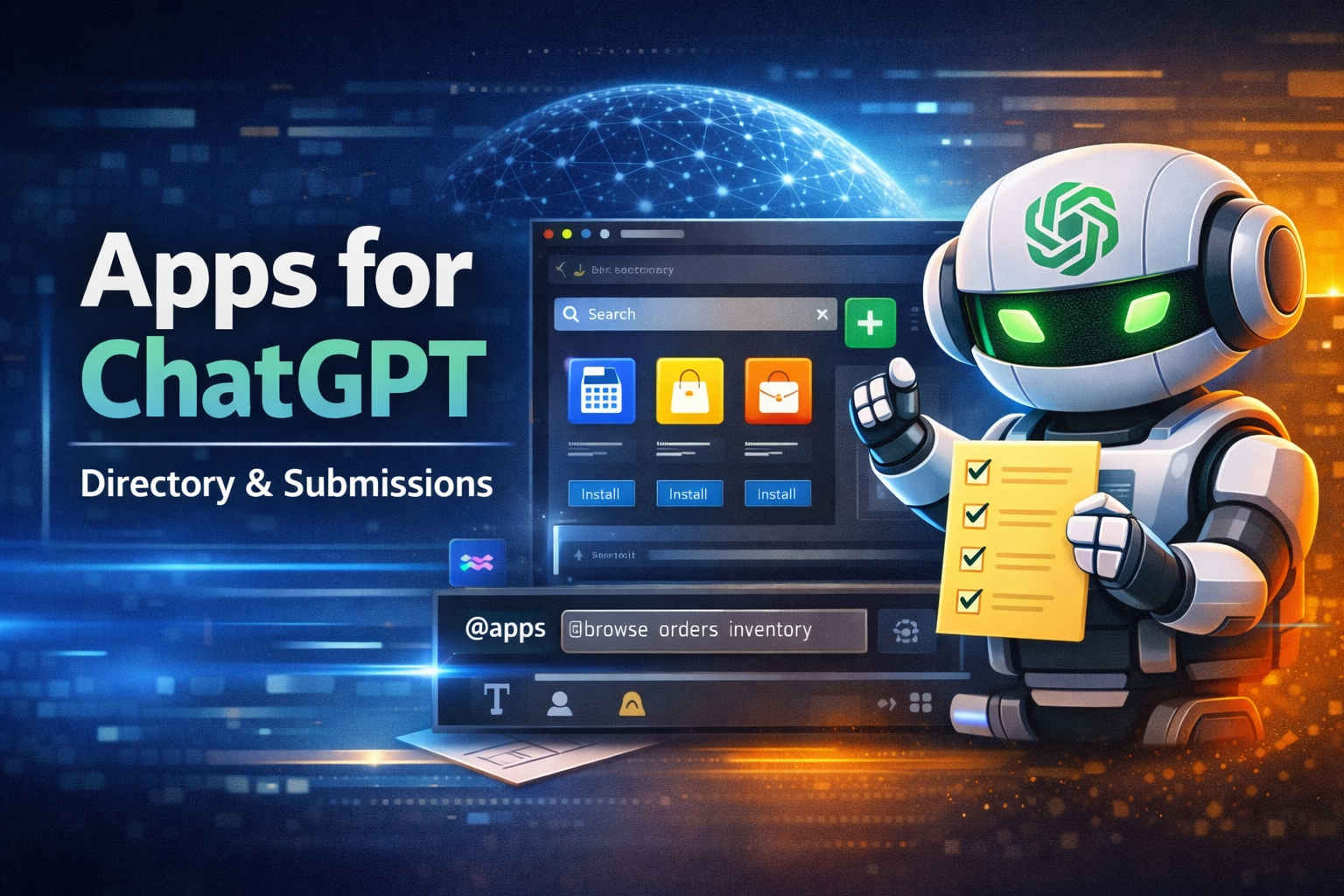
In December 2025, OpenAI announced that developers can now submit apps to ChatGPT, alongside a new in-ChatGPT app directory for discovery.
This marks an important shift. ChatGPT is no longer just a chatbot you talk to — it’s evolving into a platform where users can connect external services, bring in real data, and perform actions directly from a conversation.
What is a “ChatGPT app” (in plain terms)?
A ChatGPT app is an integration that extends what a conversation can do by:
bringing in external context (data, accounts, search results, content)
enabling actions in other systems (create, update, fetch, automate)
fitting naturally into a chat-based workflow
Once connected, apps can be invoked inside ChatGPT using mentions or tool selection, without users leaving the conversation.
OpenAI is also experimenting with surfacing relevant apps automatically when they are helpful in context — though with clear focus on user control and transparency.
The new app directory: distribution inside ChatGPT
OpenAI is introducing an app directory inside ChatGPT where users can:
browse featured apps
search by name
install or connect apps in just a few clicks
Developers can also share direct links that open their app’s directory page inside ChatGPT.
The initial rollout is gradual, with more approved third-party apps appearing over time.
Safety, privacy, and user control
Trust and safety are core requirements for ChatGPT apps:
Apps must follow strict rules around privacy, security, and transparency
Users are clearly informed what data an app can access before connecting it
Apps can be disconnected at any time
Any app that performs write or destructive actions must request explicit user confirmation before executing them
Availability may vary by country or region depending on the app and its data sources.
What developers can submit (and what’s required)
Submitting a ChatGPT app typically includes:
details about how the app connects to external systems
testing instructions and sample data
app metadata for the directory
defined country or region availability
There are also some important technical and organizational requirements:
the developer organization must be verified
only organization owners can submit apps
the app backend must be publicly accessible (not local or private)
strict content security rules must be defined for external data access
Once an app is approved, key tool definitions are locked. Any changes require resubmission and another review.
Monetization: what’s allowed right now
In this early phase:
Apps can link out to external flows for physical goods
Direct sales of digital products, subscriptions, or credits inside ChatGPT apps are not allowed yet
The focus right now is on utility and quality rather than monetization. More options are expected later.
What makes a good ChatGPT app
Based on the submission guidelines, successful apps tend to have:
a clear, focused purpose (not just a thin wrapper around chat)
real value that ChatGPT alone cannot provide
reliable behavior, good error handling, and low latency
accurate tool descriptions that match real behavior
minimal data access — only what’s necessary
a smooth review experience, including test credentials when authentication is required
Incomplete demos, misleading tools, or excessive data access are common reasons for rejection.
Practical app ideas for web developers and agencies
If you build products, internal tools, or client platforms, these ideas fit the ChatGPT app model well:
Project brief & lead intake
Turn conversations into structured project requirements and confirmed next steps.Ecommerce operations helper
Read-only tools for order status, inventory checks, shipping estimates, and return policies.Content workflow assistant
Pull drafts from a CMS, generate variations, and prepare content for review.Business reporting app
Connect analytics sources and generate weekly summaries, insights, and action items.
These work well because they start with conversation and end with real, useful outcomes.
Final take
Opening app submissions and launching an in-product app directory turns ChatGPT into more than an AI assistant — it becomes a true application platform with distribution, review standards, and long-term potential.
For developers and agencies, this is an early opportunity to build tools that live exactly where users already spend time: inside their conversations.