
Top Big Brands That Use Shopify (And Why They Switched)
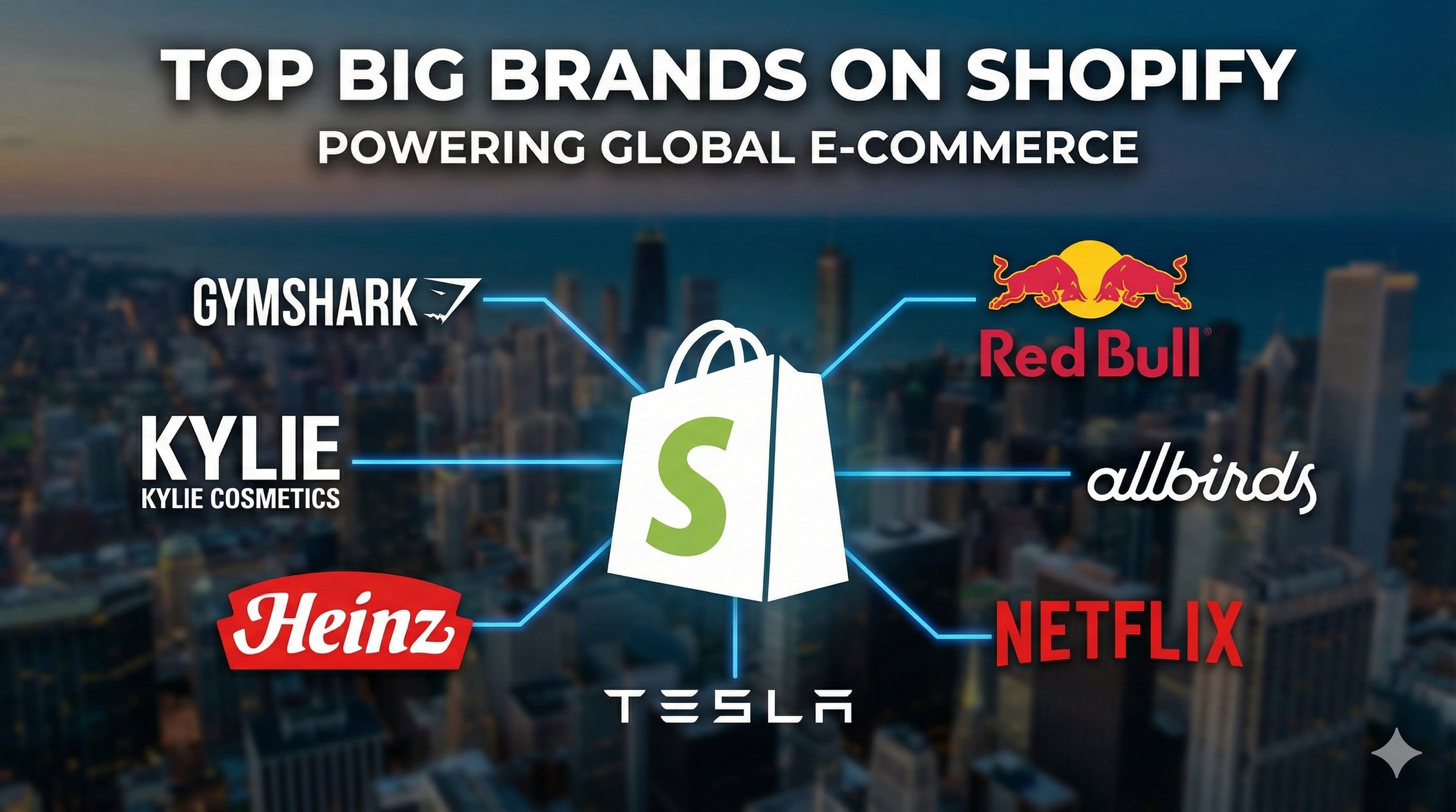
When people think of Shopify, they often picture small startups or boutique dropshippers. But that perception is years out of date. Today, some of the world’s most recognizable Fortune 500 companies and viral enterprises rely on Shopify Plus—the platform’s enterprise-grade solution—to handle millions of customers and billions in revenue.
For enterprise businesses, the shift to Shopify is usually driven by a need for agility. Legacy platforms like Magento or Salesforce Commerce Cloud can be powerful, but they often come with "technical debt"—slow updates, expensive maintenance, and crashes during peak traffic.
Here are the top big brands currently crushing it on Shopify, and the strategies they use to stay ahead.
1. Gymshark
Industry: Fitness Apparel
The Story: A billion-dollar unicorn, Gymshark is perhaps the poster child for Shopify success.
Why They Switched:
In their early days, Gymshark used Magento. But during a Black Friday sale, their site crashed for eight hours, costing them an estimated $143,000 in lost revenue and damaging customer trust. They migrated to Shopify Plus to ensure 99.99% uptime. Today, they can seamlessly handle massive traffic spikes from influencer drops without a glitch, allowing them to focus on brand building rather than server maintenance.
2. Kylie Cosmetics
Industry: Beauty
The Story: Kylie Jenner’s brand redefined the "drop model," selling out inventory in minutes.
Key Strategy:
Kylie Cosmetics needed a platform that wouldn’t buckle under extreme pressure. Shopify Plus was the only solution robust enough to handle the "flash sale" traffic where hundreds of thousands of users attempt to check out simultaneously. The platform’s ability to manage high-velocity sales events is a primary reason celebrity brands (including Jeffree Star Cosmetics and Fenty Beauty) flock to it.
3. Heinz
Industry: Food & Beverage
The Story: A 150-year-old titan proving that old dogs can learn new tricks.
Why They Switched:
When the 2020 pandemic hit, supply chains for grocery stores were disrupted. Heinz needed a Direct-to-Consumer (DTC) channel to get essentials like beans and ketchup to UK customers—fast.
The Result:
Leveraging Shopify Plus, Heinz launched their "Heinz to Home" store in just 7 days. This speed-to-market is virtually impossible with traditional enterprise architectures, which often take months to deploy.
4. Tesla
Industry: Automotive & Energy
The Story: The electric vehicle giant uses Shopify to power its merchandise store.
Key Strategy:
While Tesla’s car configurator is a custom build, their shop for accessories, apparel, and charging hardware runs on Shopify. This allows them to separate their complex product manufacturing systems from their standard e-commerce retail needs, ensuring a smooth, modern checkout experience for merchandise without over-engineering their backend.
5. Red Bull
Industry: Energy Drinks & Media
The Story: A global powerhouse in media and sports.
Why They Switched:
Red Bull required a global setup that could handle multiple currencies, languages, and regional storefronts. They moved to Shopify to take advantage of its global expansion tools. The switch allowed them to unify their brand experience across borders while maintaining the flexibility to customize the frontend design to match their high-energy aesthetic.
6. Allbirds
Industry: Footwear
The Story: The sustainable shoe brand known for its "wool runners."
Key Strategy:
Allbirds uses Shopify POS (Point of Sale) to unify their online and offline sales. Whether a customer buys in a brick-and-mortar store or on their phone, the inventory and customer data are synced in real-time. This "omnichannel" approach is critical for modern retail brands that want to offer features like Buy Online, Pick Up In-Store (BOPIS).
7. Netflix
Industry: Entertainment
The Story: The streaming giant launched Netflix.shop to sell limited-edition merch for hits like Stranger Things and Squid Game.
Why It Matters:
Netflix isn't a retailer by trade; they are a tech company. The fact that a tech giant—capable of building its own store—chose Shopify speaks volumes. They wanted a turnkey solution that let them drop merchandise quickly around show premieres without distracting their engineering team from their core streaming product.
Why Are Enterprise Brands Choosing Shopify Plus?
The common thread among these brands is a desire to escape "Headless Headaches."
Speed to Market: Enterprise brands can launch new regions or sub-brands in weeks, not months.
Scalability: No need to worry about server capacity during Black Friday or Super Bowl ads.
Lower Total Cost of Ownership (TCO): drastically reduced development and maintenance fees compared to Oracle or SAP implementations.
Ready to Scale?
Whether you are a startup looking to grow or an established enterprise tired of slow legacy platforms, the data is clear: the biggest players are moving to Shopify.
Need help migrating your enterprise to Shopify? Contact the abZ Global team today.